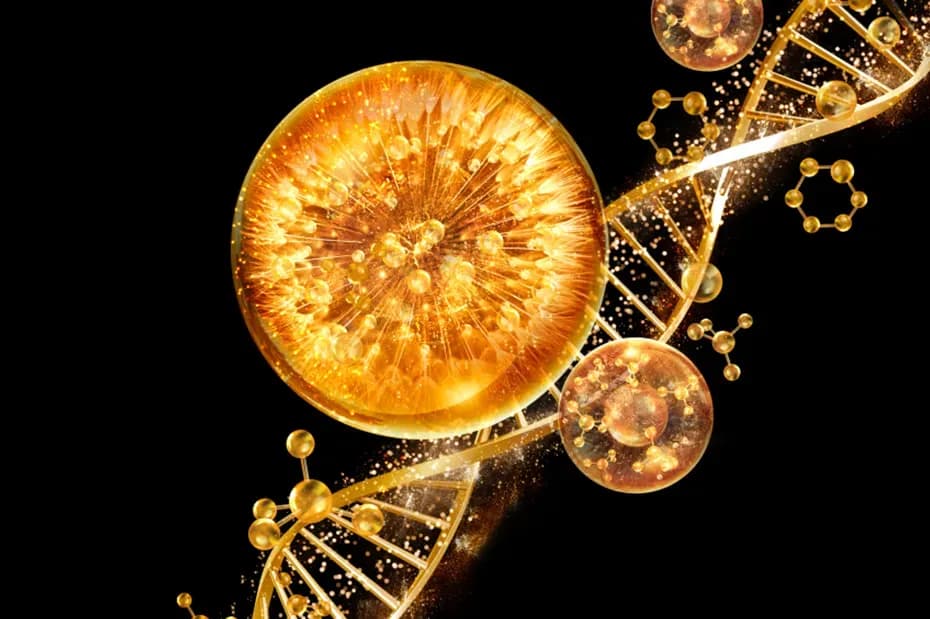
For a long time, beauty treatments were aggressive and damaging. Doctors used lasers to burn the top layer of skin and strong acids to peel it off
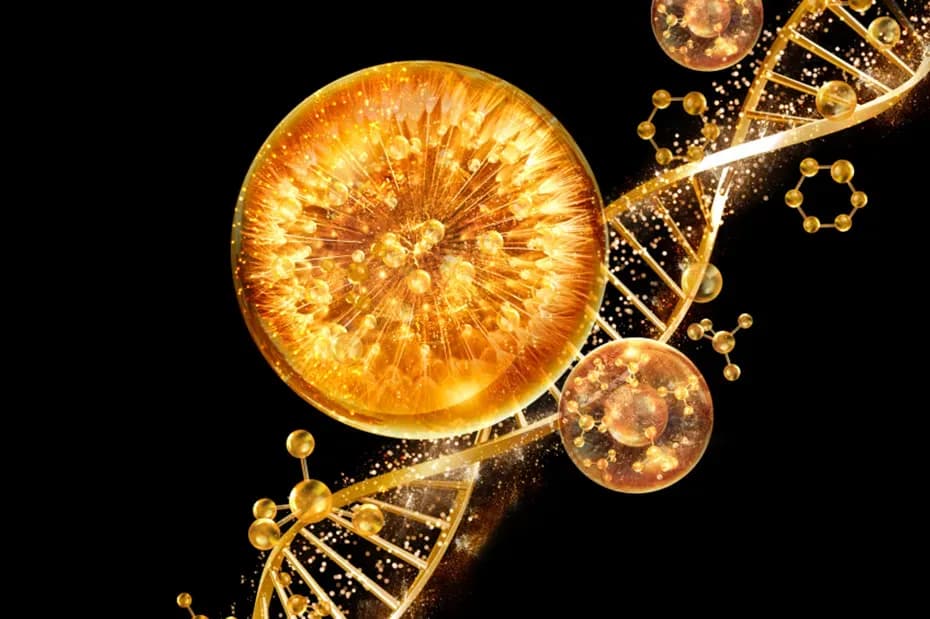
The idea was to hurt the skin to force a reaction. The injury would force the body to panic and repair itself. While effective, this crude method causes inflammation and downtime.
Biomimetic Peptides work differently by speaking to cells. They communicate directly with the skin to initiate repair without damage. This offers a gentle, precise way to get cells to act younger.
Peptides are short chains of amino acids made in a lab. We design them to look exactly like the signals your body naturally produces.
Your body is full of these signals that control cell behavior. One signal tells a cell to make collagen, while another tells it to relax. As we get older, these signals become quiet and infrequent.
We simply put the signal back into the system. We apply the peptide to the skin to restore communication. The cells receive the message and start working like they did when you were younger.
Floating around outside the cell are these keys. When the right key finds the right lock, it clicks into place. This turning of the lock sends a message inside the cell.
It travels all the way to the nucleus, the brain of the cell. The nucleus receives the message and issues a command. For example, the message might be “We need more support.” The cell responds by building new collagen fibers.
b
These act as messengers for the cell. Their job involves telling the cell to build something specific. Matrixyl, for example, looks like a piece of broken collagen. When the cell sees it, it assumes the skin is damaged and rushes to make new collagen to fix it.
These function as carriers for nutrients. They pick up important trace elements and carry them into the cell. Copper Tripeptide-1 (GHK-Cu) grabs copper atoms and brings them to the enzymes that build skin. Without copper, your skin cannot make strong collagen. This peptide ensures the structure remains solid
These peptides stop muscles from pulling too hard. Argireline mimics the body’s relaxing signals to interfere with nerve-to-muscle communication. It tells the muscle to relax, which helps soften lines caused by frowning or smiling.
In 1973, a scientist named Dr. Loren Pickart found something interesting in human blood. He isolated a peptide from human blood that could make old liver cells act young again.
He called it GHK and discovered that it worked by carrying copper. Young people have abundant amounts of this peptide in their blood. By age 60, you have very little left circulating in your body.
Putting this peptide back into the skin copies the blood chemistry of a younger person. It does more than fix wrinkles. It protects your DNA from damage. It turns on genes that repair damage and turns off genes that cause destruction.
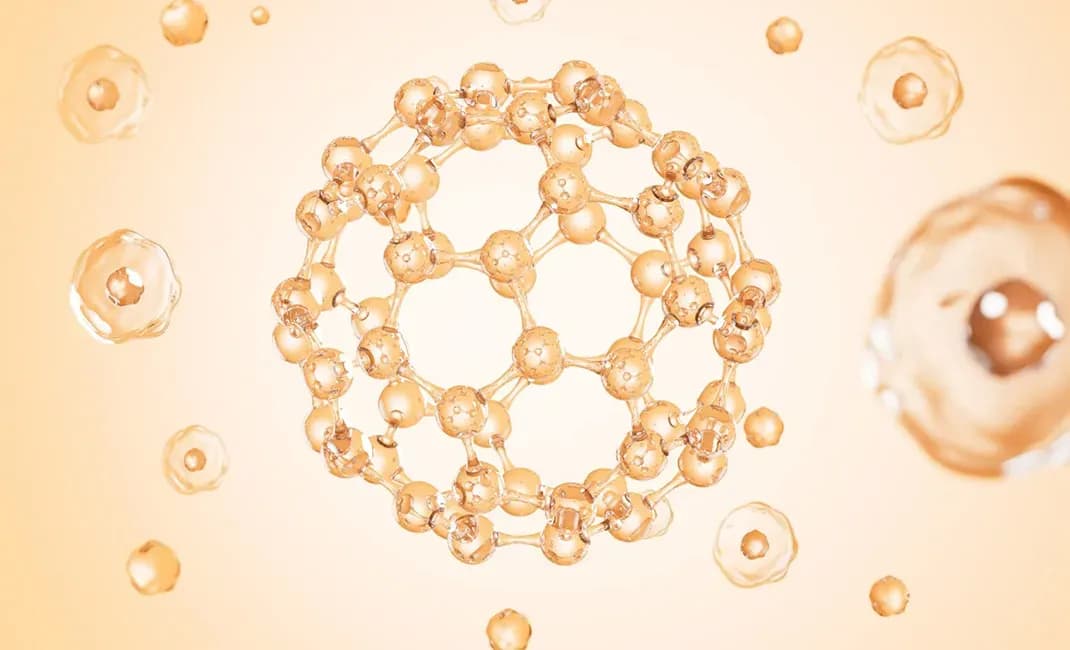
Peptides are fragile molecules. To your body, a peptide looks like a piece of food to be eaten. Your skin is full of enzymes called proteases that digest proteins. They act like scissors, floating around looking for proteins to cut up.
If you just rub raw peptides on your skin, these enzymes will eat them immediately. The Solution: We must protect the peptide during its journey. We use advanced delivery systems like liposomes or nanocarriers.
It slips past the surface and slides down deep into the skin layers. Once it gets deep enough, the sphere dissolves. It releases the peptide right next to the cell that needs it. This ensures the message gets delivered safely to the target.
Studies show that copper peptides effectively reduce wrinkles. They stimulate the production of new collagen to fill lines from the inside.
Rebuilding the basement membrane creates a stronger foundation. This layer holds skin together like glue. Strengthening it makes the skin tighter and more resilient.
Antimicrobial peptides offer a new way to fight acne. They act like needles, punching holes in the bacteria that cause pimples. The bacteria explode and die.
Antibiotics can stop working over time because bacteria get used to them. Bacteria cannot adapt to being physically popped. This makes peptides a superior long-term solution for acne control.
Making these molecules is difficult and precise. We build them one at a time, like stringing beads on a necklace. We add one amino acid, then the next. This slow chemical process is expensive.
That explains why good peptide products cost more than basic creams. Cheap creams might say “contains peptides” on the label, but they often use a tiny amount. It isn’t enough to work. We use the amount that was used in the scientific studies to ensure efficacy.
Making peptides used to require harsh chemicals. We are changing how we make them to be more eco-friendly. We use enzymes to link the beads together and bacteria to grow them for us. This is cleaner and produces less waste.
Aging is complicated and involves many factors. You have inflammation, sagging, and pigment spots all at once. One peptide can’t fix everything.
We use a Peptide Cocktail approach. We mix them together to treat multiple problems. A signal peptide initiates building. A carrier peptide brings the necessary tools. A relaxer peptide stops the stress. They work together like a team to restore the skin.
We enhance the natural peptide structure to optimize its performance on human skin. This process, called Structure-Activity Relationship (SAR), allows us to refine the molecule.
Natural peptides are hydrophilic. Your skin is lipophilic and repels water. A water-loving peptide will just sit on top of your skin and do nothing.
We attach a fatty tail to the peptide. We often use a Palmitoyl tail. This acts like grease, helping the peptide penetrate through the oily layers of your skin.
We also change the shape of the beads to protect them. We might swap a natural amino acid for a synthetic one. The skin’s enzymes don’t recognize this new shape, so they can’t cut it. This makes the peptide last for hours instead of minutes.
These ingredients exist in a regulatory gray area. They act biologically by changing how your cells work. Technically, that sounds like a drug. But we sell them as cosmetics because they improve how you look.
This benefits you by getting products to you faster. A drug takes ten years to get approved. A cosmetic takes months. Because there is less regulation, we assume the responsibility to test our products thoroughly. We make sure they are safe and effective before they reach you.
These molecules mimic your body’s own signals. Your body knows what to do with them. Once the message is delivered, your body breaks down the peptide.
It turns back into amino acids. Your body reuses these to build new things. They are powerful enough to work like a drug but safe enough to buy without a prescription.
A short chain of amino acids, which are the building blocks of proteins.
A protein molecule on a cell surface that receives chemical signals.
The type of cell in your skin responsible for making collagen and elastin.
A microscopic bubble made of lipids (fats) used to deliver drugs or nutrients
The main structural protein found in skin and other connective tissues.
An enzyme that breaks down proteins and peptides.
The organic compounds that combine to form proteins.
A fatty acid derived from palm oil used to help peptides penetrate the skin.
The process by which a signal is transmitted through a cell as a series of molecular events.
An agent that kills microorganisms or stops their growth.
A thin membrane of protein fibers separating an epithelium from underlying tissue.
The relationship between the chemical structure of a molecule and its biological activity.
Biomimetic means it mimics biology. These are lab-created peptides designed to look and act exactly like the peptides your body naturally produces to control skin functions.
Proteins are very long chains of amino acids. Peptides are short chains. Their small size allows them to penetrate the skin more easily than large proteins like collagen.
Peptides like Argireline work similarly to Botox by relaxing facial muscles, but they are much milder. They soften lines rather than freezing the muscle completely, and they are applied topically rather than injected.
GHK-Cu is a copper peptide. It acts as a carrier to bring copper into the skin cells. Copper is essential for enzymatic processes that build healthy collagen and elastin.
Yes, but you should be careful. Some peptides, especially copper peptides, can be unstable when mixed with strong acids like Vitamin C. It is often better to use them at different times of the day.
Yes, peptides and retinol work very well together. Retinol speeds up cell turnover, while peptides provide the building blocks for new skin structure.
Synthesizing peptides is a complex, multi-step chemical process that adds one amino acid at a time. The raw materials and the precise manufacturing required make them costly to produce.
You may feel an immediate hydration effect. However, because peptides work by stimulating collagen production, visible changes in wrinkles and firmness typically take 4 to 12 weeks.
Yes, peptides are extremely safe because they are made of amino acids, which are natural to the human body. Your body breaks them down and recycles them easily.
Yes, antimicrobial peptides (AMPs) can kill acne bacteria by punching holes in their cell walls. This is a very effective way to treat acne without using antibiotics.
Yes. Signal peptides tell fibroblasts to make more collagen and elastin, which are the fibers that give skin its snap and firmness.
If you stop, the external signals cease. Your skin will gradually return to its natural rate of aging, but you will not lose the collagen you have already built immediately.
Yes, plant peptides (like peas or rice) can also stimulate skin cells. They are a great vegan alternative to some animal-derived ingredients.
Liposomes are tiny fat bubbles that protect the peptide. Without a liposome, skin enzymes might eat the peptide before it reaches the deeper layers where it needs to work.
Matrixyl is a trade name for a specific signal peptide called Palmitoyl Pentapeptide-4. It is famous for stimulating collagen production.
Peptides are generally non-irritating and very soothing. They are suitable for sensitive skin types that might not tolerate retinol or acids.
A signal peptide acts like a messenger. It locks onto a receptor and triggers a command, such as “make more collagen” or “repair this damage.”
No. While they function biologically like drugs, they are regulated as cosmetics and are available over the counter.
Peptides can be produced using enzymatic synthesis and fermentation. This uses bacteria or enzymes instead of harsh chemical solvents, reducing waste.
This is a fatty acid chain attached to the peptide. It helps the water-loving peptide slip through the oil-loving layers of the skin.
Yes, some peptides interrupt the signal that tells melanin cells to produce pigment, helping fade dark spots and brighten the complexion.
Many synthetic peptides are vegan because they are built from individual amino acids in a lab. Always check the specific product label.
Peptides are stable, especially when encapsulated in liposomes. A typical product lasts 12 to 24 months if stored in a cool, dark place.
Aging affects the skin in many ways. Using a cocktail of signal, carrier, and inhibitor peptides helps address wrinkles, sagging, and inflammation simultaneously.
Your skin deserves precision. Aakaar partners exclusively with India's premier dermatologists and aesthetic practitioners. Ask your doctor about the Exovea portfolio.